
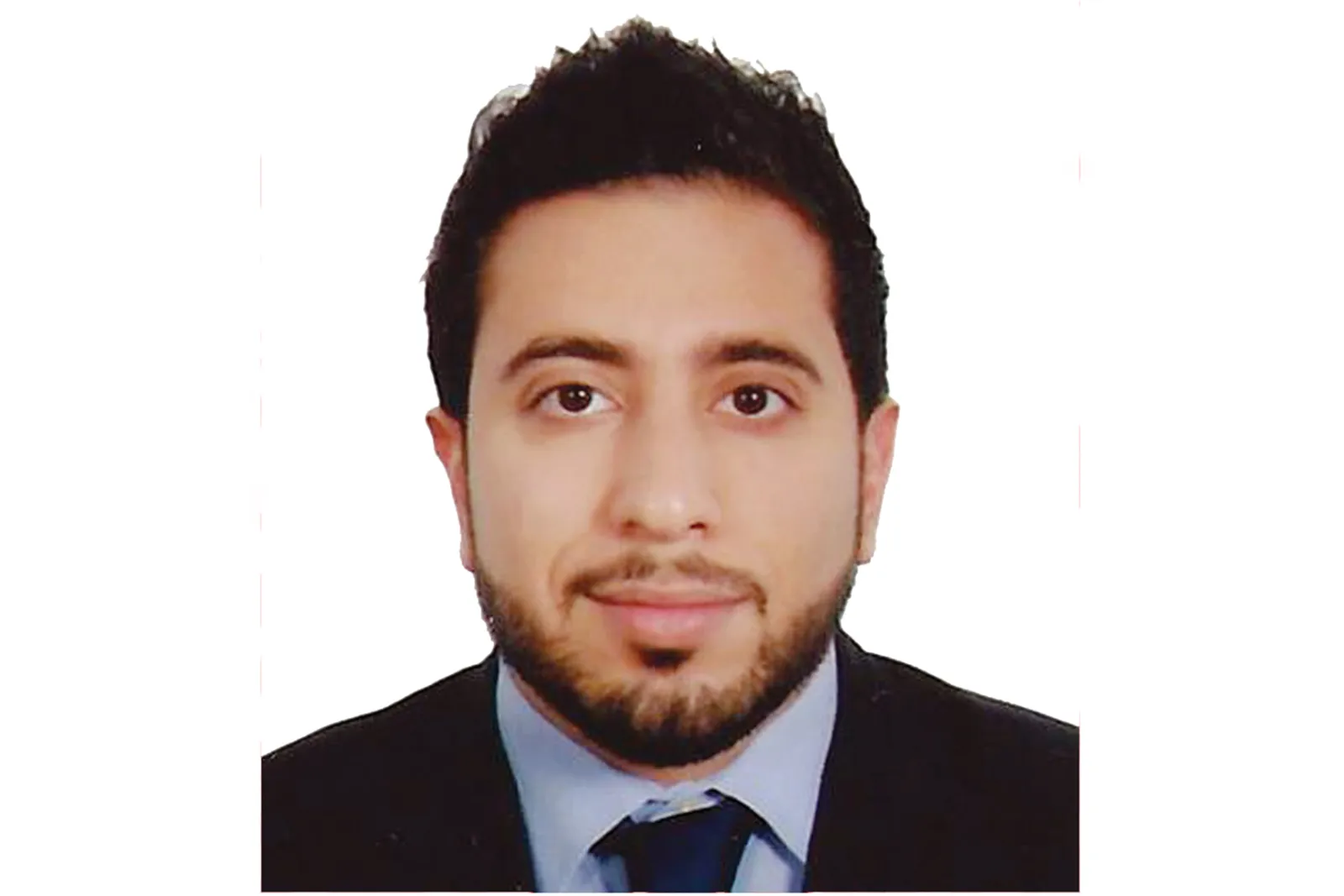
The Rashid Al Zayani Charity Foundation has launched a distinctive initiative to support productive Bahraini families under the name "Rashid Development Fund", through which it has adopted small Bahraini businesses by providing them with financial support, media coverage and promotion through its official account. The first pilot phase ended with 13 successful Bahraini projects, while the Foundation works to sustain them in the market by providing the support they need over long periods. This was stated to Akhbar Al Khaleej by the director of the Rashid Al Zayani Foundation, Omar Abdulaziz, who explained that the project came in support of the Foundation's determined efforts to back charitable work in Bahraini society — work that does not depend on any financial return or profit, but on offering a range of humanitarian services to individuals and providing support and assistance to people with different needs, in order to spread the principle of social solidarity and strengthen the role of the individual in society. He noted that this approach is harder than traditional charitable work, but far better than one-off help, whose effect often ends after a short time.
He pointed out that the first phase of this charitable initiative culminated in the success of 13 Bahraini projects, recorded in a short period of no more than eight months, while the Mabara continues to support a number of other projects in order to reach its main objectives. He confirmed that the second phase would begin the following October, with applications for 2020 to be studied, and that the Foundation hopes to increase the number of projects it works with and to diversify them further.
He said that the Mabara is currently working to develop this community initiative through cooperation and coordination with a number of charitable societies and members of parliament from different areas of Bahrain, in order to document the cases that might fall within the project. He explained that the initiative had been discussed with a number of bodies, such as the United Nations Development Programme and Tamkeen, among others, before it began, and that once the first year is complete the necessary reports will be prepared and the possibility studied of working with other governmental and non-governmental bodies to grow the project and increase the quality of the support offered to those taking part.
On the conditions taken into account when adopting projects, the director of the Foundation said that those wishing to benefit from the project should apply through the Mabara's official website info@rzmabara.com and attach supporting documents. The application is then studied and assessed for how likely it is to succeed and how much the local market needs it, after which coordination interviews are arranged with the owner of the business. The support and assistance needed for the project to succeed then begins immediately, with care taken to continue it for a full year until the first obstacles have been overcome.
He explained that the aim of the initiative is to help individuals turn their skills and small businesses into a good source of income, enabling them to take part in the labour market and helping them to grow and develop, as well as to highlight the importance of work and of mastering crafts and trades of every kind. He noted that anyone who studies the history of Bahrain knows that a great many Bahraini families had their names associated with a craft or trade practised in the market or beyond it, and that in recent times the number of citizens working in these trades has declined for a number of reasons — something that is not sustainable and may harm the country's growth in the long term.